

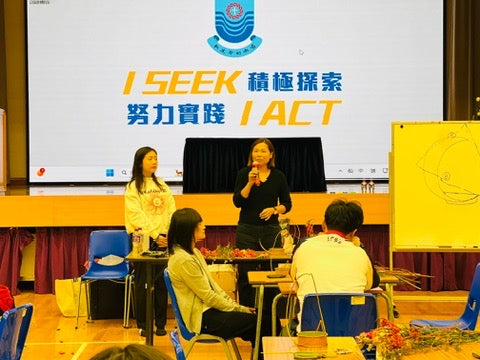
Focusing on Ten Categories of SEN Students | Lavish Florist Floral Therapy

SEN stands for Special Educational Needs. It is an umbrella term encompassing ten common developmental and learning barriers faced by students in Hong Kong. The root cause of these challenges is not laziness, rebellion, or a lack of focus; rather, they stem from differences in neurodevelopment. These differences lead to persistent difficulties in learning, concentration, communication, motor skills, emotional expression and regulation, or sensory perception.
Each category of developmental barrier comes with various overlapping or unique symptoms, and a student may be affected by more than one type simultaneously. Through this sharing, Lavish Florist hopes to help parents and educators understand that a child's behavior may be influenced by these ten types of developmental barriers. By incorporating static therapies like Floral Therapy alongside professional medical advice—acting as a gentler alternative to rigid, traditional enforcement education—we can help alleviate the impact of these conditions on children.
Ten Common Categories of SEN and Their Related Developmental and Learning Barriers
1. Attention Deficit Hyperactivity Disorder (ADHD)
-
Symptoms: ADHD students primarily exhibit three major traits: inattention, hyperactivity, and impulsivity. In class, they commonly fidget, squirm, leave their seats, talk excessively, and struggle to complete assignments quietly. Those with weak attention are easily distracted, frequently miss instructions, misplace homework, or forget to bring books and stationery. They tend to procrastinate on homework, act carelessly, and make careless mistakes. Impulsive symptoms include blurting out answers, interrupting others, struggling to wait in line, acting without considering consequences, and having frequent, rapid mood swings. These students are often labeled as troublemakers because their brains struggle to inhibit extra movements and impulses, and their self-control lags significantly behind peers of the same age.
Floral Therapy & ADHD
The biggest challenges for ADHD students are distraction, impulsivity, restlessness, and skipping steps. Floral design requires continuous, meticulous, and deliberate hand movements. Students must focus on handling each stem, which effectively extends their attention span, restrains excess physical movement, and trains them to complete tasks sequentially. The natural environment and floral fragrances also provide a calming effect, reducing impulsive outbursts, while the completed floral arrangement grants them a strong sense of achievement.
2. Autism Spectrum Disorder (ASD)
-
Symptoms: The core symptoms of autism are difficulties in social communication and repetitive, stereotyped behaviors. Socially, they struggle to read facial expressions, eye contact, tone of voice, and body language. They are not adept at taking turns in conversations, sharing, cooperating in play, or understanding game rules. Their answers can be off-topic, making it hard to form friendships and often leading to isolation and further emotional issues. Behaviorally, they are rigid about routines and habits; any change in environment, schedules, or seating can cause extreme anxiety and tantrums. Some students exhibit repetitive movements like rocking, hand-flapping, or echolalia (repeating words). Furthermore, sensory sensitivities are common—they may be hypersensitive or hyposensitive to sounds, light, smells, or clothing textures, which can easily trigger emotional meltdowns.
Floral Therapy & ASD
Autistic students often have weak social communication skills, a fear of change, sensory sensitivities, and high anxiety. The process of floral arrangement is structured and highly predictable, providing a sense of security and minimizing emotional volatility caused by the unknown. Meanwhile, touching different plant textures and smelling the flowers serves as excellent sensory desensitization training. Students can also express their inner emotions through color coordination and arrangement, compensating for verbal limitations in a low-pressure, group-based social setting.
3. Dyslexia (Specific Learning Difficulties in Reading and Writing)
-
Symptoms: Dyslexia is increasingly common and is classified as a specific learning difficulty. While these students have normal intelligence, their reading, word recognition, dictation, and copying skills fall far behind their peers. Common signs include disjointed reading, skipping words or lines, misreading visually similar characters, and struggling to memorize words despite repeated revision. When writing or copying, they frequently omit or add extra strokes, mirror or reverse characters, produce inconsistent font sizes, and create cluttered layouts. This results in weak sentence structure, poor vocabulary, and loosely structured essays. Because their brain's text-processing function is weaker, they require visual, structured, and multi-sensory teaching methods to improve.
Floral Therapy & Dyslexia
Students with dyslexia often have weak visual tracking, poor spatial awareness, and difficulty recognizing character structures. Floral design requires observing height, symmetry, density, and color coordination. This trains visual focus and spatial organization, helping to correct issues like skipping lines during reading or experiencing visual clutter. At the same time, steady hand movements indirectly enhance hand-eye coordination, supporting future reading and writing tasks.
4. Dyscalculia (Mathematics Disorder)
-
Symptoms: Students with dyscalculia struggle to grasp basic mathematical concepts such as number sense, carrying/borrowing, the four operations, sequences, time, money, and measurements. Despite repeated practice, they frequently make calculation errors, confuse symbols, misalign place values, and fail to memorize formulas. They exhibit weak logical thinking when solving math problems, struggle to deconstruct questions, and find word problems hard to comprehend. This creates immense pressure, leading them to avoid math classes and resist math homework. Some even find simple counting, sorting, and comparing sizes difficult. This is a congenital processing difficulty unrelated to the amount of practice they do.
Floral Therapy & Dyscalculia
Mathematically weak students find it hard to comprehend quantities, proportions, lengths, and symmetry. In floral activities, they must count stems, trim materials to identical lengths, arrange designs symmetrically, and layer components from front to back. This uses a tangible, concrete approach to train mathematical logic, spatial proportions, and classification concepts, allowing them to break free from tedious paperwork and rebuild their learning confidence.
5. Dysgraphia (Written Expression Disorder)
-
Symptoms: Students with dysgraphia have weak fine motor skills, unusual pencil grips, and apply either too much or too little pressure, resulting in extremely slow and illegible handwriting. Their copying speed is far slower than their classmates', making it hard to keep up with blackboard notes, causing homework to drag on for hours, and leaving their hands fatigued and sore. The structure of their words is disorganized, inconsistent in size, slanted, and spaced unevenly. Although they have ideas in their minds, they cannot write them down quickly, neatly, or fluidly, which severely impacts their homework, exam pacing, and academic performance.
Floral Therapy & Dysgraphia
Dysgraphia stems from weak fine motor muscles in the hands, unstable wrists, and poor finger control. Actions in floral creation—such as trimming stems, pinching petals, positioning delicate materials, and tying ribbons—strengthen finger dexterity, hand pressure control, and hand-eye coordination. This helps improve issues like slow writing speeds, messy handwriting, and uneven application of physical force.
6. Speech and Language Impairment
-
Symptoms: Speech and language delays cause a student's comprehension and expression skills to fall behind their peers. When listening to instructions, they can only process short sentences and struggle with complex sentences, metaphors, idioms, or abstract phrasing. In terms of expression, they have a limited vocabulary, use overly simplistic sentences, mix up word order, have unclear articulation, or answer off-topic. In class, they struggle to accurately answer questions or verbally express their thoughts and feelings. They are often unable to participate in group discussions, which can cause them to become silent, fearful of speaking, low in self-esteem, and easily isolated by classmates.
Floral Therapy & Speech and Language Impairment
Language-weak students possess limited vocabulary, struggle with instructions, and lack the confidence to speak. Floral classes can guide students to recognize colors, flower names, shapes, and action verbs, thereby enriching their vocabulary. Educators give short, step-by-step instructions to train their listening and sequencing skills. Sharing and presenting their final pieces after the activity boosts their willingness to speak and enhances communication skills.
7. Global Developmental Delay (GDD)
-
Symptoms: Students with Global Developmental Delay lag comprehensively behind their peers across multiple areas, including cognition, language, gross/fine motor skills, self-care, and social interaction. They exhibit weak memory, slow learning absorption, poor comprehension, and weak imitation skills. Self-care tasks such as packing school bags, dressing, eating, using the restroom, and organizing personal belongings are highly challenging. They also experience poor motor coordination, an unstable gait, and weak hand-eye coordination. Learning new things requires repeated demonstrations over a long period, making their progress slow and requiring comprehensive, long-term, and structured training support.
Floral Therapy & Global Developmental Delay
GDD students face across-the-board delays in cognition, motor skills, comprehension, and self-care. Floral art serves as a multi-dimensional training activity; a single session can simultaneously train cognitive recognition, hand muscle development, listening to instructions, packing up tools, and practicing patience. It comprehensively enhances overall developmental abilities within a gentle, low-pressure tempo, making it highly suitable for slower-paced learners.
8. Developmental Coordination Disorder (DCD)
-
Symptoms: Also known as "clumsy child syndrome," students with DCD have normal intelligence but severe deficiencies in gross and fine motor coordination. They lack agility in PE activities like running, jumping, throwing, and catching; they have poor balance and fall easily, moving stiffly. Daily self-care tasks like buttoning shirts, tying shoelaces, folding paper, cutting with scissors, and holding a pen are difficult. This leads to slow homework completion and exhausting physical activities. Consequently, they may make excuses to avoid participating, are easily teased by peers, and develop low self-esteem or social avoidance.
Floral Therapy & Developmental Coordination Disorder (DCD)
DCD students suffer from poor balance, uncoordinated limbs, a fear of physical activities, and low self-esteem. Floral arrangement involves gentle movements with adjustable difficulty levels. It can sequentially train gross and fine motor coordination. Successfully completing a beautiful piece of work drastically improves their self-image and reduces avoidant personality traits.
9. Visual Perceptual Difficulties
-
Symptoms: Despite having normal eyesight, students with weak visual processing capabilities struggle to distinguish visually similar characters, shapes, directions, positions, and depths. When copying text, they easily misplace characters, skip lines while reading, and produce disorganized layouts. They find it hard to complete puzzles, mazes, or matching activities. Some are highly sensitive to light, experiencing eye fatigue and dizziness when reading, which destroys their reading stamina. Though they may appear lazy or unfocused, their visual reception and interpretation functions are actually impaired.
Floral Therapy & Visual Perceptual Difficulties
Students with visual perceptual weaknesses struggle to distinguish positions, directions, and layers. The color matching, positioning, and layering involved in floral art can train visual discrimination, spatial positioning, and graphic organization, directly addressing and improving layout and alignment issues in copying.
10. Emotional and Behavioral Difficulties
-
Symptoms: These students have weak emotional regulation, high volatility, and low frustration tolerance. They are prone to anxiety, tension, crying, anger, and self-deprecation. When facing academic pressure, criticism, failure, or change, they react intensely with tantrums, talking back, avoidance, school refusal, leaving their seats, or even aggressive and self-harming behaviors. They adapt poorly to social situations, struggle to follow rules, and find teamwork difficult. Being trapped in negative emotions long-term, they require dedicated emotional education, positive reinforcement, and a stable environment.
Floral Therapy & Emotional and Behavioral Difficulties
Floral therapy is highly suited for students experiencing emotional outbursts, anxiety, and low frustration tolerance. The natural, gentle qualities of flowers and plants soothe nerves and relieve stress. The creative process allows for free expression without criticism, letting students release negative emotions, practice patience, and build emotional self-control, ultimately reducing tantrums and confrontational behaviors.
Lavish Florist | Tailor-Made Floral Courses
When facing the challenges of SEN students, accurate identification of symptoms, acceptance of differences, and the implementation of appropriate educational adjustments and emotional support by teachers and parents can drastically improve their academic performance and developmental growth, helping them unlock their full potential.
The workshops provided by Lavish Florist are not mere arts and crafts activities; they are a holistic, well-paced, and highly inclusive SEN auxiliary training curriculum. They help special needs students make steady progress, build self-worth, and integrate into groups within a relaxed, positive environment.
Furthermore, we can fully customize the content of our workshops based on the specific objectives, venue, budget, and participant needs of any organizing institution or group. We warmly welcome inquiries from all types of organizations and community groups.

Lavish Florist
Lavish Flower
All our flowers are made freshly with LOVE everyday.
Featured product
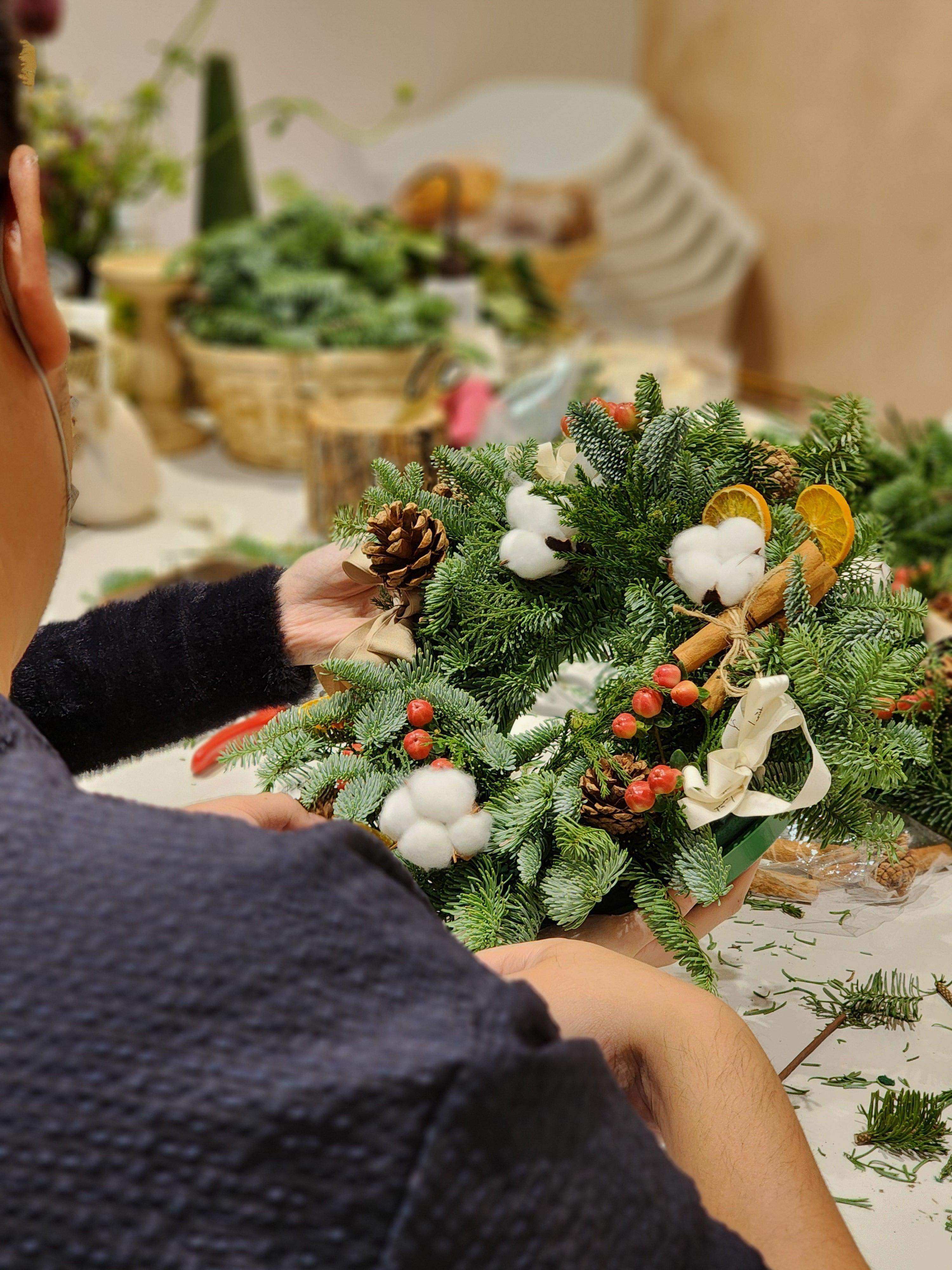

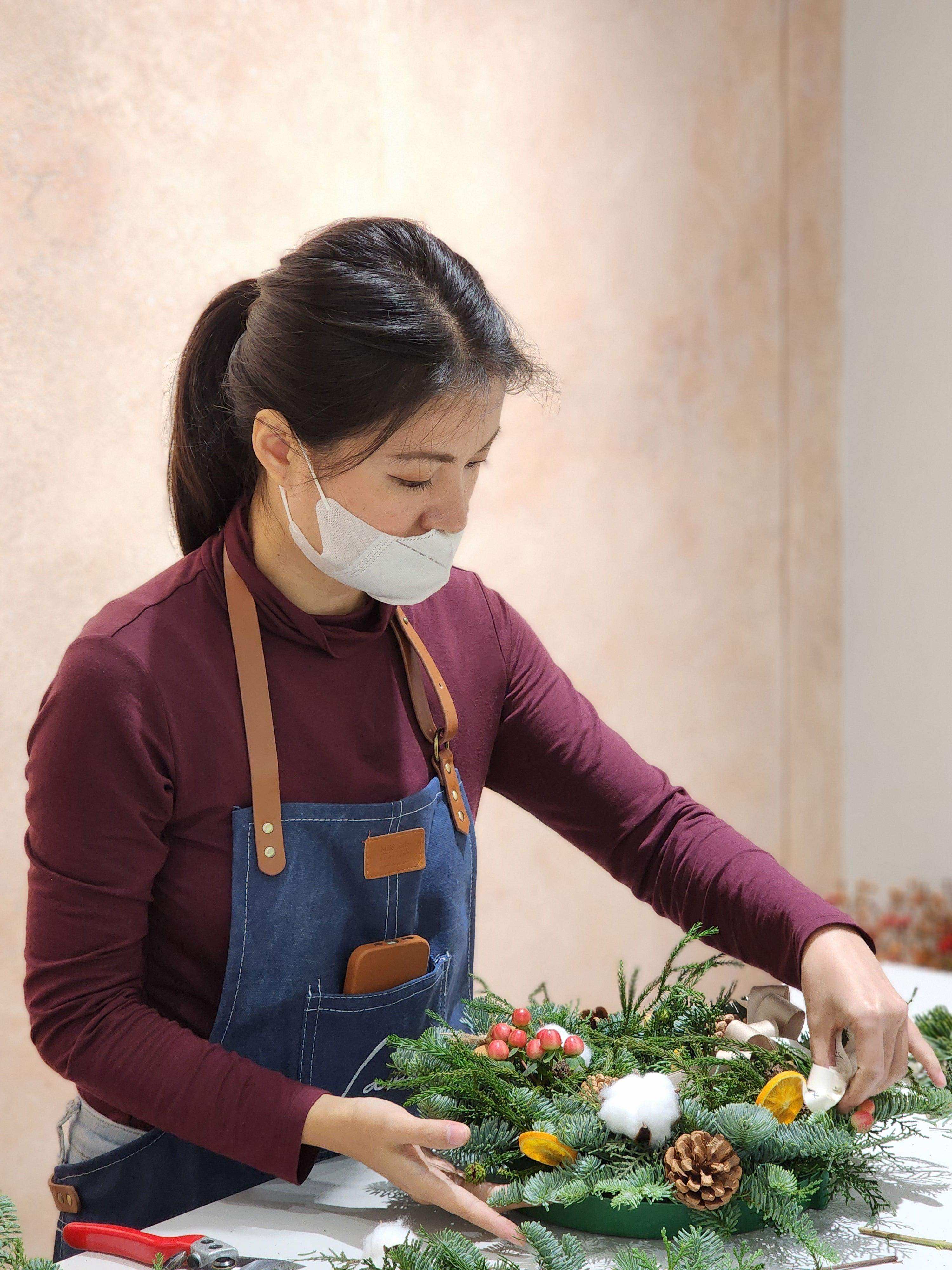
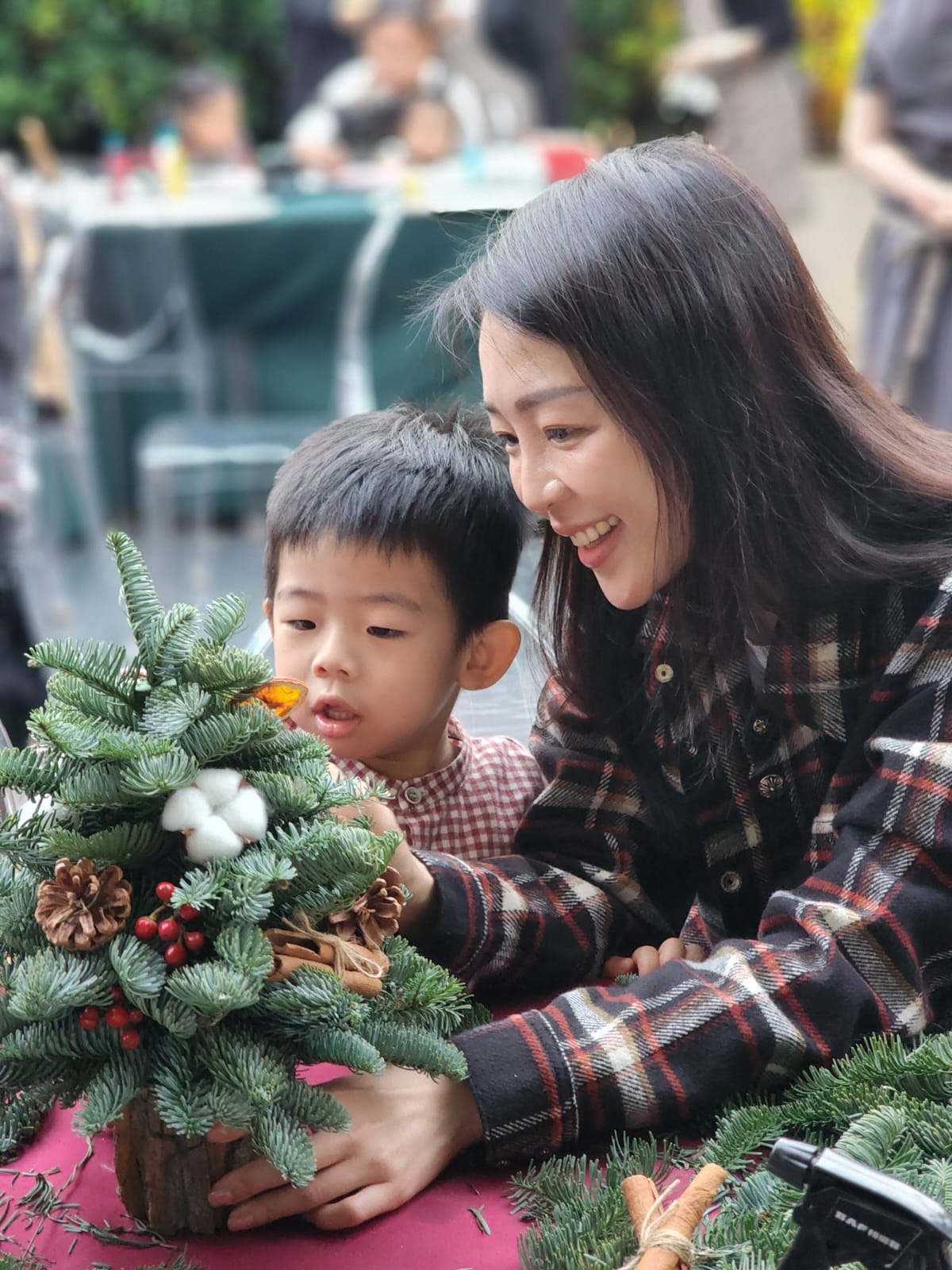
Join the Lavish Florist Christmas Wreath Workshop and showcase your creativity and floral skills during this festive season. In this workshop, you will collaborate with professional florists to create an opulent and stunning Christmas wreath.
The workshop provides all the necessary materials, including carefully selected Christmas decorations and fresh flowers. The florists will guide you on how to combine these elements to craft a unique and beautiful Christmas wreath.
It's a fantastic opportunity to bond with family, friends, or colleagues while enjoying a joyful time together. You can relax, learn floral techniques, and take home a meticulously crafted Christmas wreath to enhance the holiday ambiance in your home.
Don't miss out on this exciting chance to bring a unique surprise and joy to your loved ones and friends this Christmas season.
Duration: 1- 1.5 hours
Disclaimer: Minimum 4 participants required. If fewer sign up, the class will be cancelled, and we'll notify you promptly with options to reschedule or refund.
Blog posts
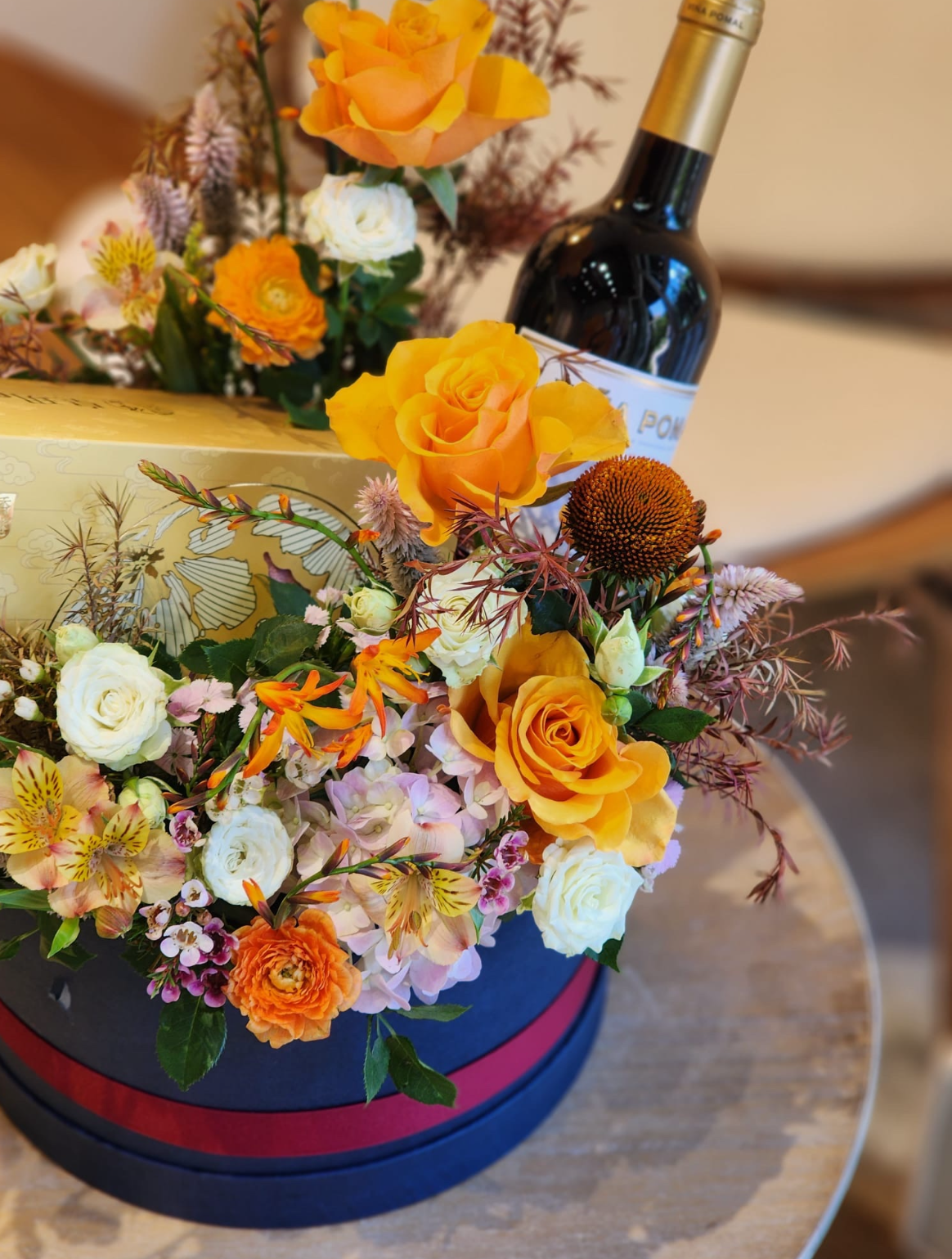
2026 Mid-Autumn Gifting Guide: Flower Baskets vs Fruit Baskets — How to Choose the Right One
With Mid-Autumn Festival 2026 approaching, should you choose a flower basket or a fruit basket? Lavish Florist breaks down the differences and introduces three new gift sets — from Reunion Feast to...
Read more
Same-Day Flower Delivery Hong Kong|Cut-Off Times, Delivery Areas & Bouquet Picks
Need flowers today? Discover Lavish Florist's same-day delivery cut-off times, service areas, and our top bouquet picks for birthdays, apologies, hospital visits and grand openings — because last-m...
Read more
Graduation Bouquet Guide 2026 | Kindergarten, Boys' & University Graduation – How to Choose?
Choosing a graduation bouquet? From playful kindergarten designs to composed men's styles and personalised university bouquets, this guide shares our floristry experience on flowers, sizing, and bu...
Read more