


Key Elements of Chinese Wedding Styling: Weaving Ancient Elegance into Every Detail
The core of Chinese wedding styling lies in "inheriting ancient charm while blending personal sentiment." It is about balancing traditional elements—such as the auspicious use of red—with the comfort and sophistication of modern aesthetics. Chinese weddings carry thousands of years of cultural heritage and folklore. Unlike the airy romance of Western weddings, Chinese wedding decor emphasizes the beauty of symmetry and symbolic meaning. Every ornament, color, and detail carries profound blessings for the couple, such as "a lifetime of harmony" and "blessings and prosperity."
Whether you choose a strictly traditional, "New Chinese" (modernized), or vintage-inspired theme, mastering the core decorative elements is essential. This ensures a wedding scene that possesses cultural depth while meeting contemporary aesthetic standards, allowing every guest to be immersed in an atmosphere where ancient charm and modern romance intertwine.


Core Areas for Chinese Wedding Styling
Clear spatial planning is the key to creating a strong sense of ceremony. The Ceremonial Area, Reception Area, and Dining Area are the three pillars of your decor. Each must be stylistically unified yet have its own unique highlight. By avoiding the clutter of excessive decorations and embracing the elegance of "white space," you leave room for imagination and grace.
The Ceremonial Area
The ceremonial area is the soul of a Chinese wedding. Given the significance of rituals like the tea ceremony or the traditional "worshiping of heaven and earth," the styling must be solemn, elegant, and rich in meaning. Imagine a "Xi Tang" (Ceremony Hall) draped in red velvet, with curtains embroidered with auspicious dragons and phoenixes hanging from above. Warm light filters through layers of silk, casting a solemn yet cozy glow. The setup typically centers on the main backdrop, the offering table, and the prayer mats.
-
Traditional: Focuses on red velvet and silk, paired with golden embroidery featuring auspicious motifs like clouds, dragons, phoenixes, and peonies.
-
New Chinese: Can be simplified using cream or light grey fabrics, accented with red floral arrangements, bamboo, or ink-wash elements. We have also seen stunning success pairing yellow dancing orchids and orange birds-of-paradise with gold-embroidered patterns—a perfect match for modern Chinese floral artistry.
The Reception Area
The reception area creates the "first impression" for your guests. The focus here is to be festive, lively, and organized. Imagine walking into a space where a rectangular sign-in table is draped in red velvet with a Chinese-style table runner. Sprigs of peonies, dahlias, or ranunculus are artfully arranged in a vase—vibrant but refined. The setup includes the sign-in desk, a display area, and signage. The display area often features the couple's wedding portraits—perhaps in traditional Fengguan Xiapi (phoenix coronet and robes)—alongside a story board documenting their journey. Clear signage, such as wooden plaques engraved with "To the Ceremony Hall" or "To the Dining Area," adds a warm, ritualistic touch. Red roses, anthuriums, and plum blossoms paired with bamboo branches create a sense of natural vitality.
The Dining Area
The focus in the dining area is comfort, practicality, and atmosphere. The arrangement of round tables embodies the Chinese ideal of "reunion."
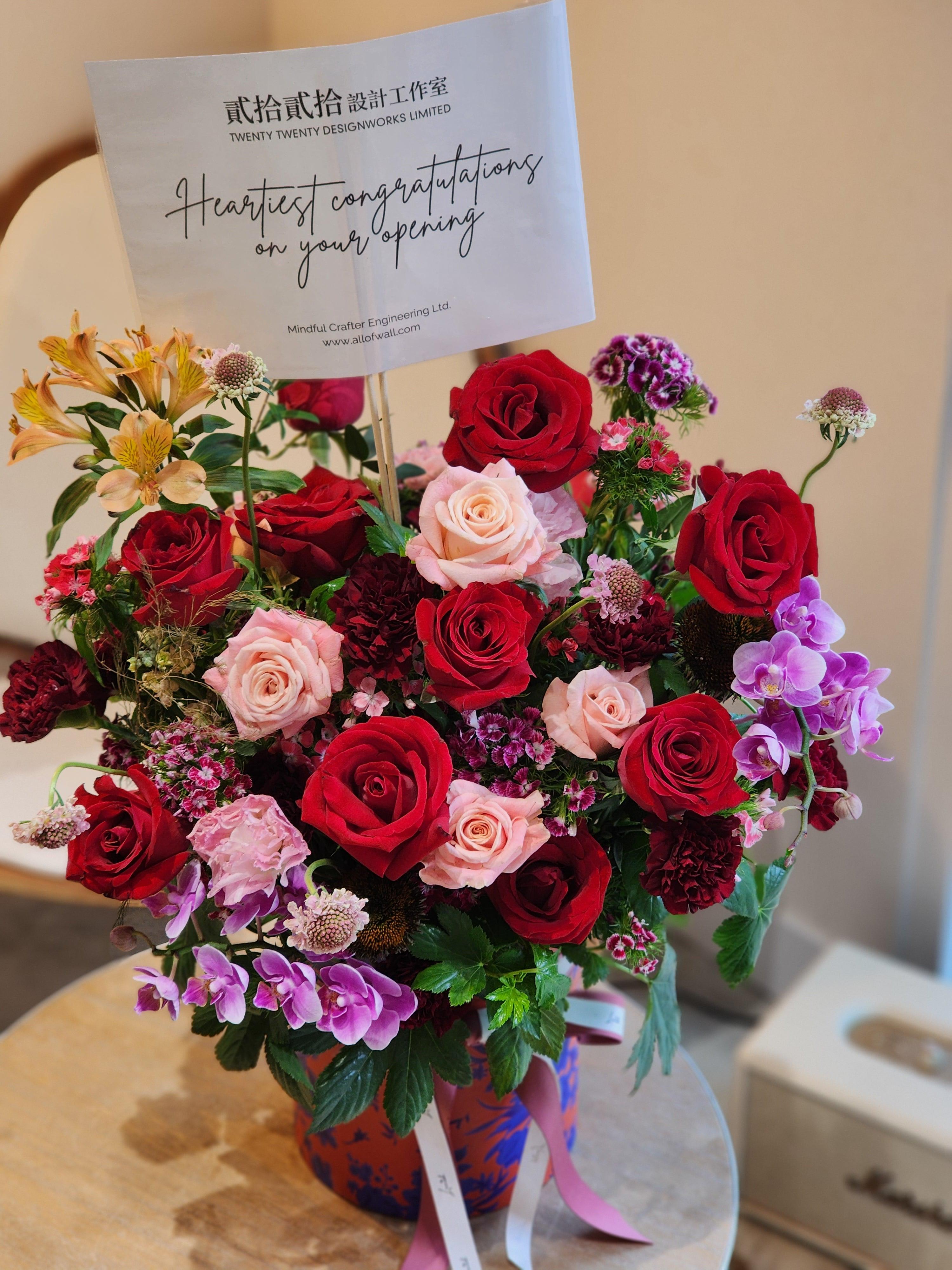
Red or gold tablecloths are layered with Chinese-style runners, while wooden napkin rings engraved with cloud motifs add a delicate, non-intrusive touch. Floral centerpieces should be compact and lush—think red dahlias and pink orchids paired with maple leaves or nandina. These centerpieces are kept at a height that does not obstruct conversation, ensuring guests can enjoy their meal and toasts while fully enveloped in the Chinese aesthetic.
Lavish Florist Wedding Styling Services
The secret to a successful Chinese wedding layout is the thoughtful use of elements. Chinese decor is not about a simple accumulation of items, but the fusion of ancient charm with heartfelt intention. It is a tribute to tradition and a blessing for the couple's love. By choosing "less is more" and utilizing open space, we create a more evocative experience than a cluttered room ever could.
Every area, every ornament, and every bouquet is crafted with meticulous care. At Lavish Florist, we use our expertise in wedding floral design to convey love through flowers, ensuring that every guest feels the warmth and happiness of your special night.
Featured product
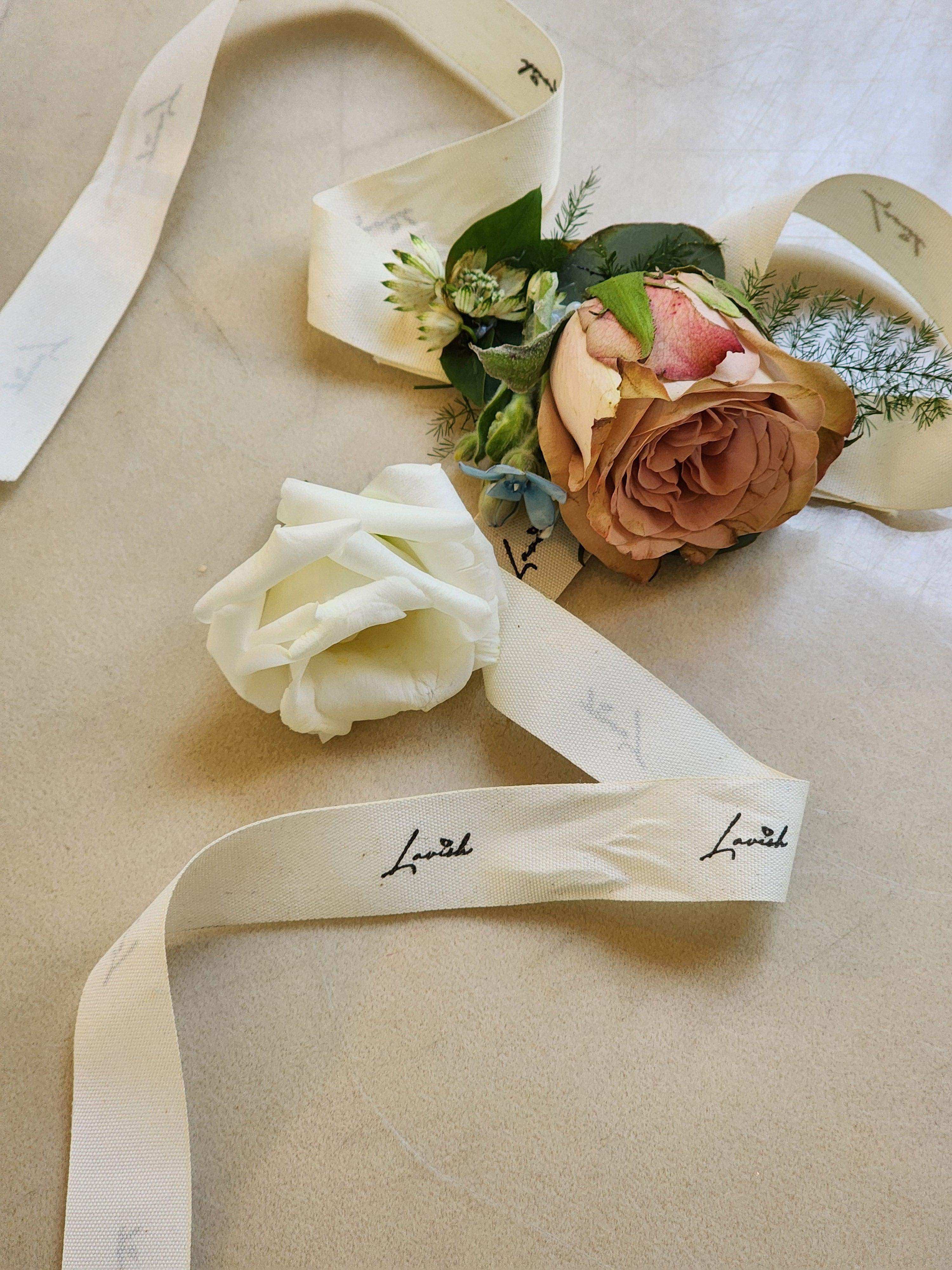
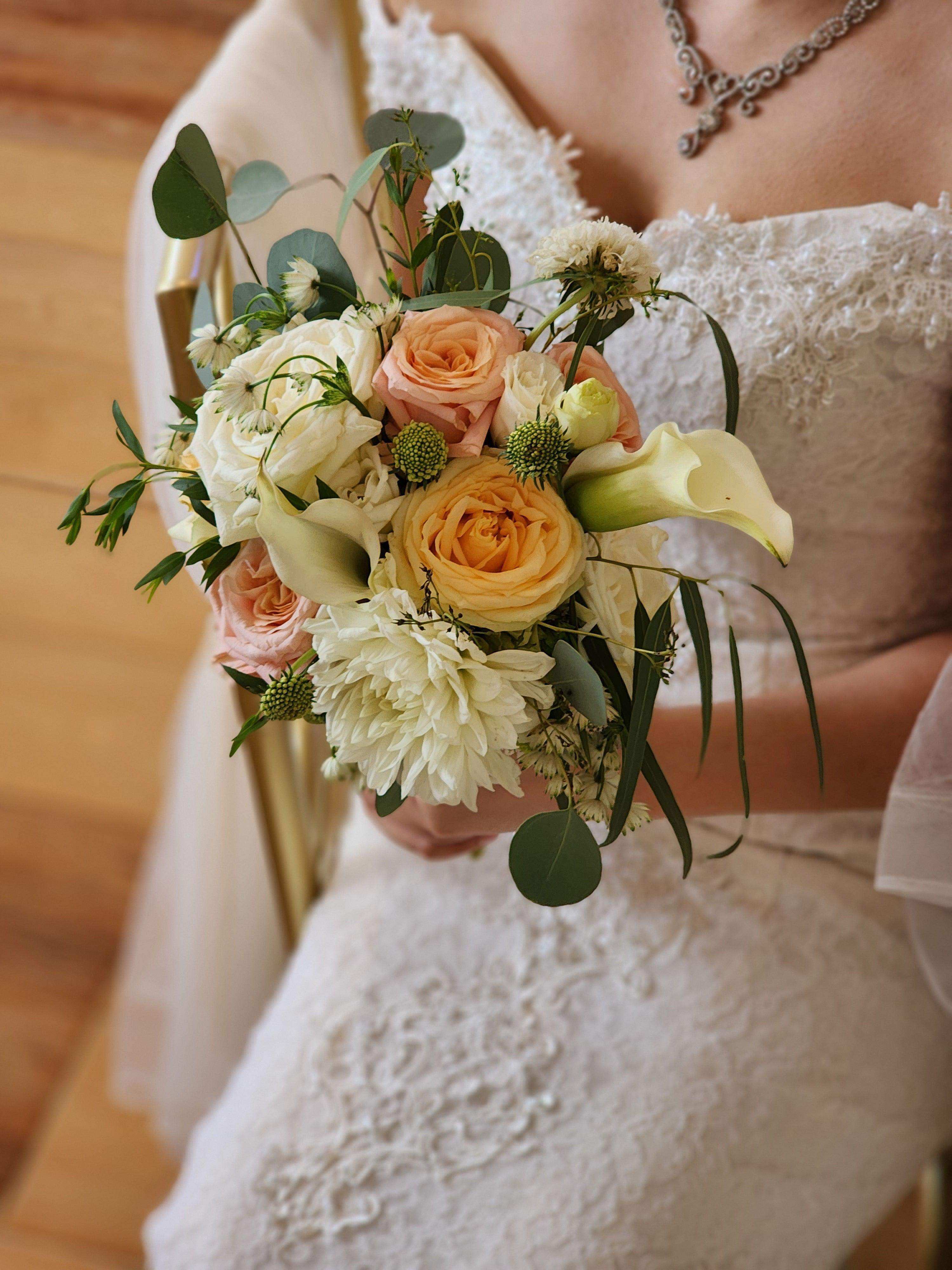
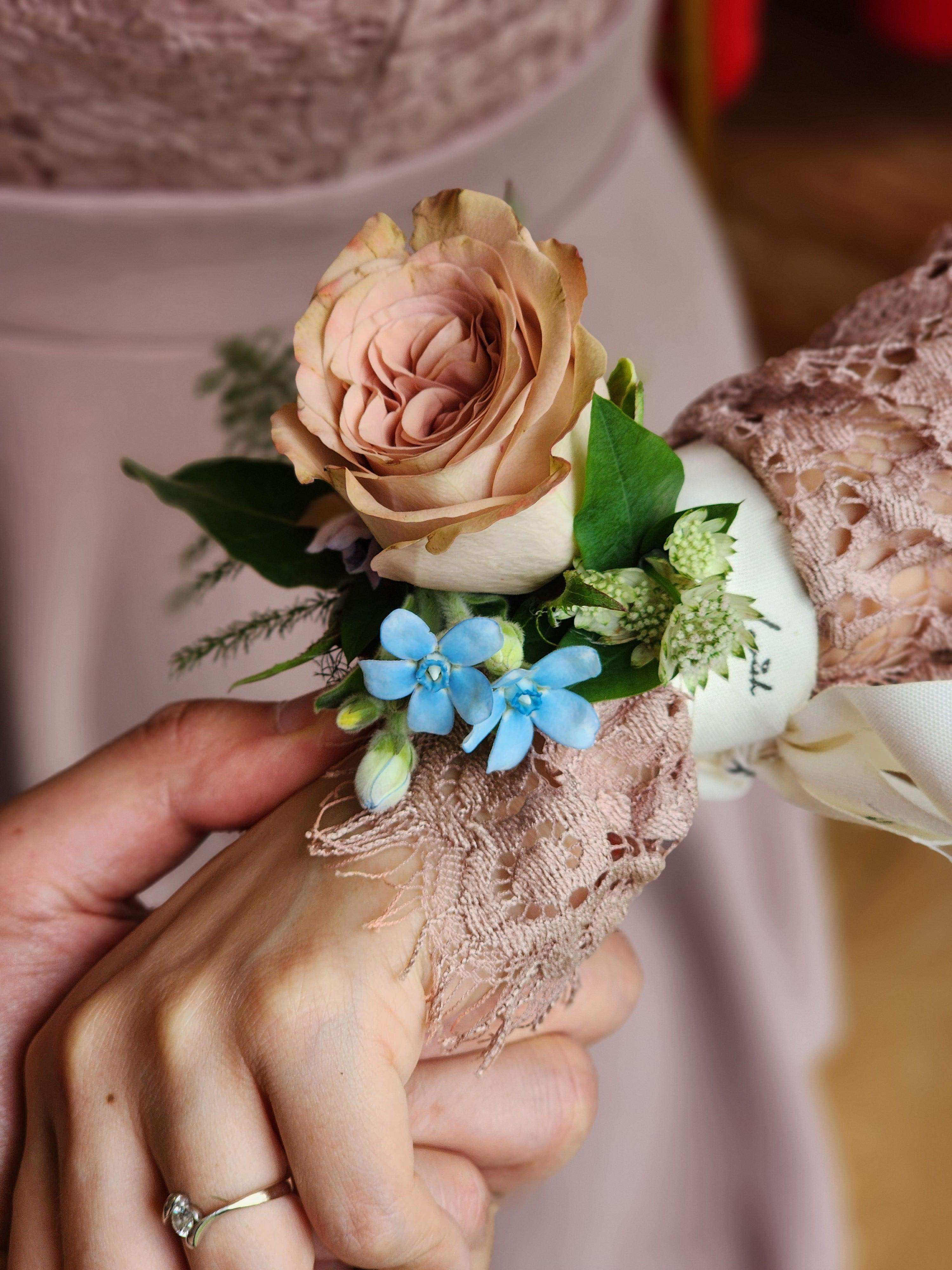
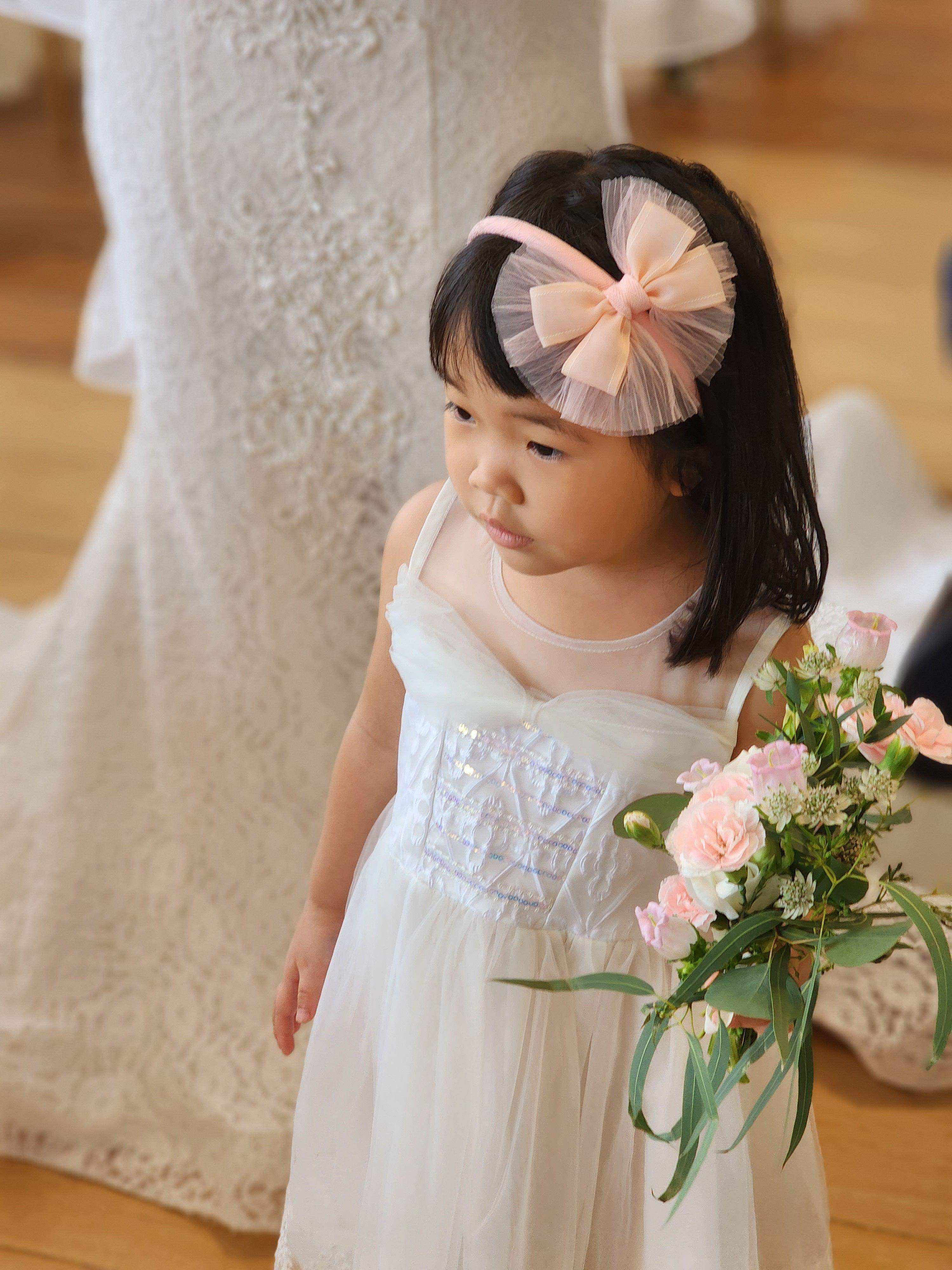
Make your wedding moments truly cherished with our Lavish Florist Cherished Moments - Wedding Package.
We've curated a collection of exquisite floral arrangements to enhance every important aspect of your special day. The package includes a breathtaking bridal bouquet, meticulously crafted to reflect your unique style and personality.
The groom's corsage exudes sophistication and complements the bridal ensemble perfectly. Let us honor the mothers of the bride and groom with stunning bouquets, symbolizing their love and support.
Create unforgettable memories with the Lavish Florist Cherished Moments - Wedding Package, where beauty and elegance meet in harmonious celebration.
Package including
- Bridal Bouquet (Fresh Flowers)
- Groom Corsage
- Bouquets For the Mothers of the Bride & Groom x2
Blog posts
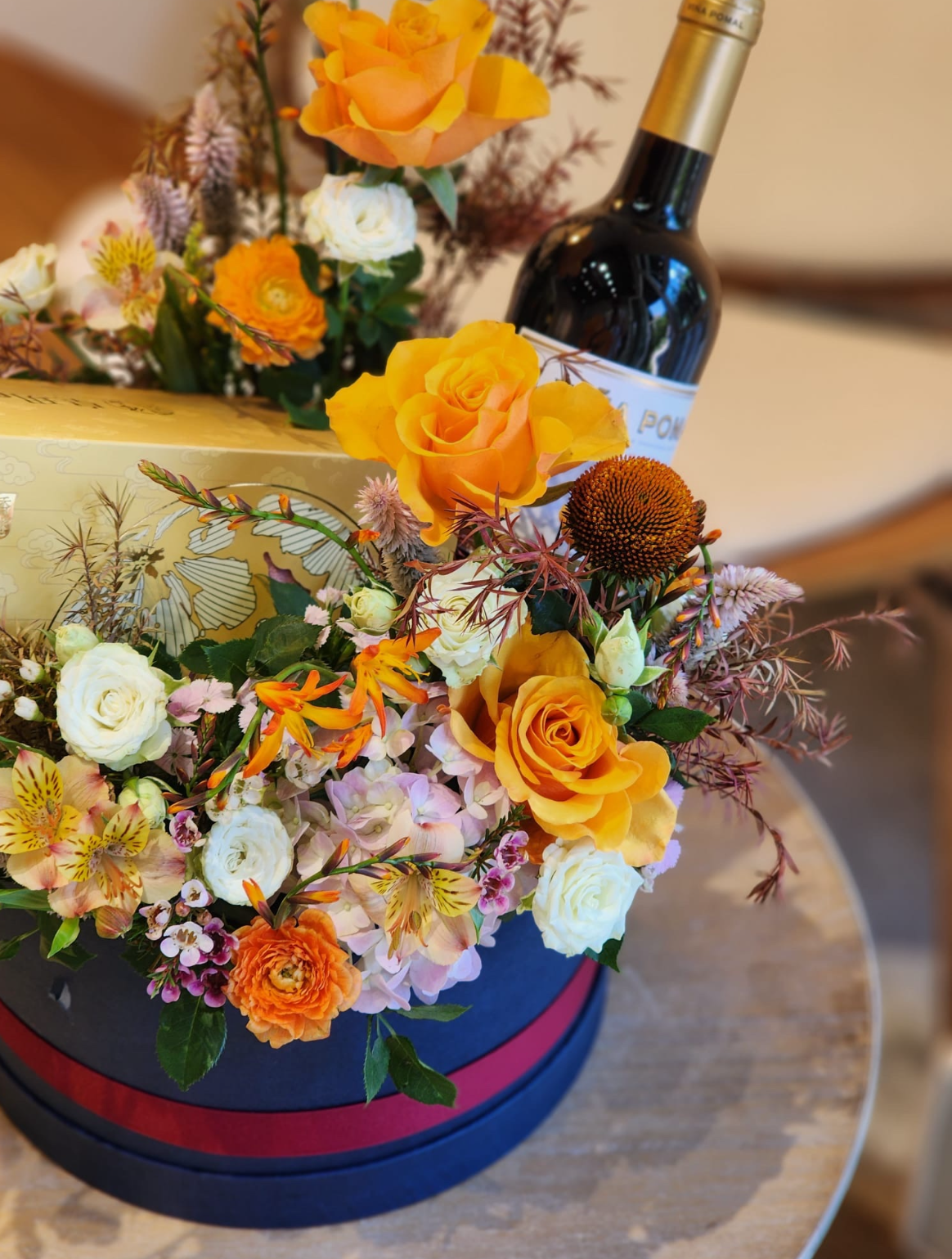
2026 Mid-Autumn Gifting Guide: Flower Baskets vs Fruit Baskets — How to Choose the Right One
With Mid-Autumn Festival 2026 approaching, should you choose a flower basket or a fruit basket? Lavish Florist breaks down the differences and introduces three new gift sets — from Reunion Feast to...
Read more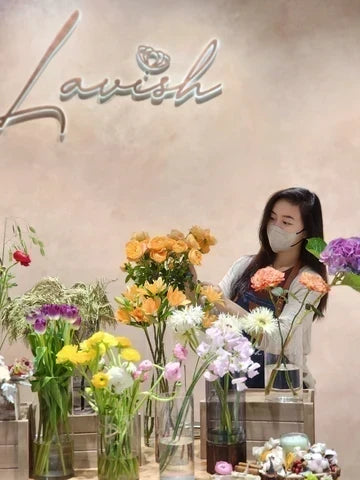
Same-Day Flower Delivery Hong Kong|Cut-Off Times, Delivery Areas & Bouquet Picks
Need flowers today? Discover Lavish Florist's same-day delivery cut-off times, service areas, and our top bouquet picks for birthdays, apologies, hospital visits and grand openings — because last-m...
Read more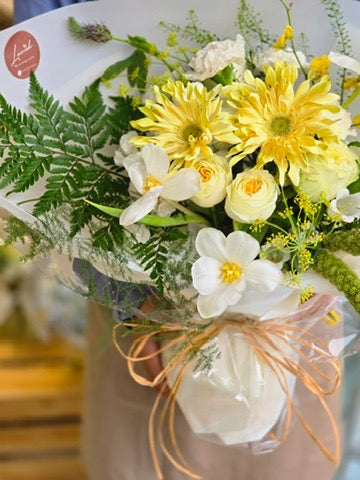
Graduation Bouquet Guide 2026 | Kindergarten, Boys' & University Graduation – How to Choose?
Choosing a graduation bouquet? From playful kindergarten designs to composed men's styles and personalised university bouquets, this guide shares our floristry experience on flowers, sizing, and bu...
Read more